Before Nightingale

hijascaridad.org

An independent history of the Daughters of Charity and the hospitals they worked in, from 1633.

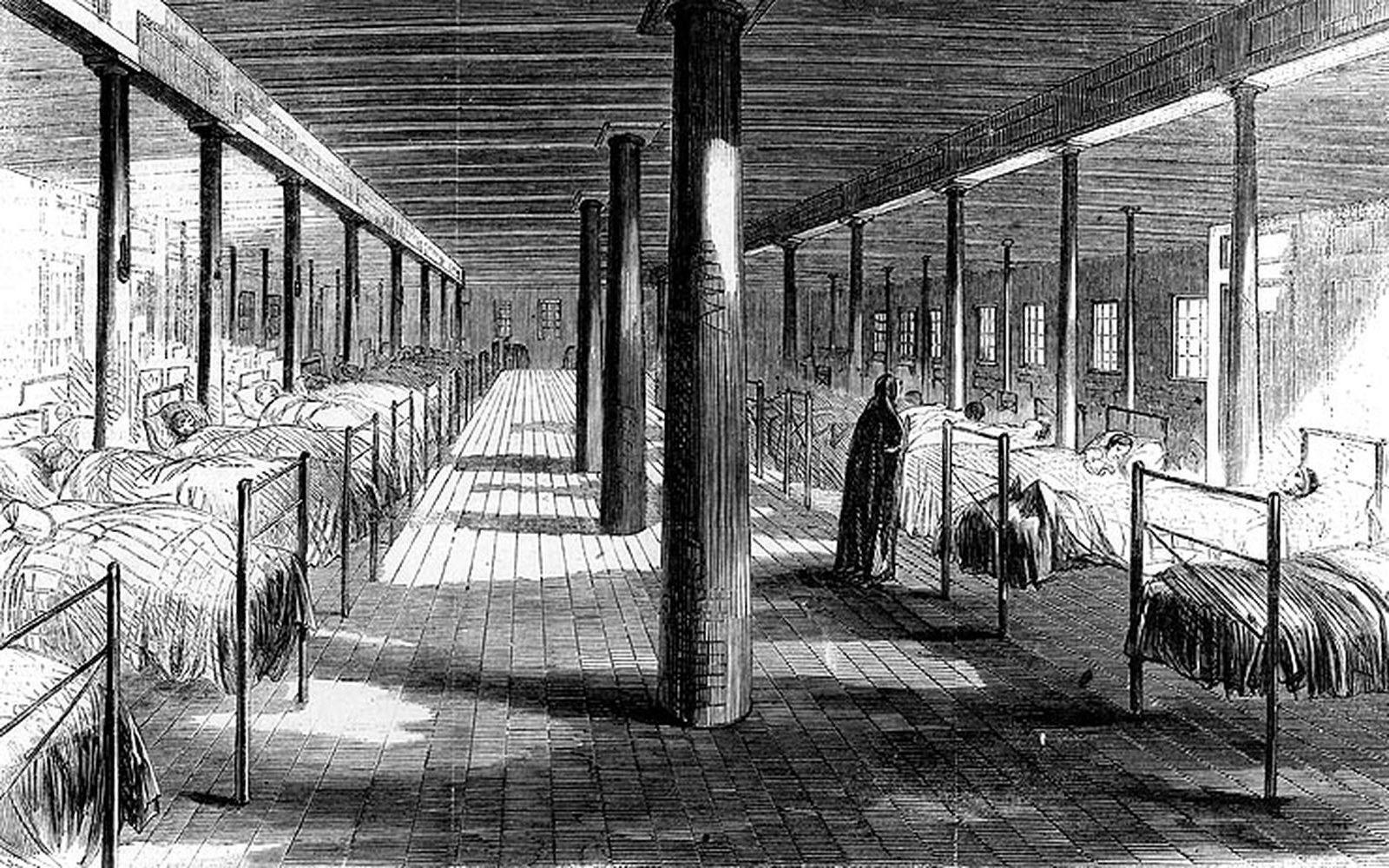
A long vaulted hospital ward with iron bedsteads receding to a vanishing point
The great ward, looking down its length. Beds stood in two ranks against the walls with the aisle kept clear for the rounds.Photo: Wikimedia Commons

The Hôtel-Dieu put several patients in one bed. The women who worked its wards were not, in law, nuns — and that was the arrangement that made them useful.

The piece to read first

Not enclosed: the 1633 arrangement

A women's religious community at that date was expected to be cloistered; annual rather than perpetual vows were the mechanism that let these members leave the house.

Read the piece

Twelve hundred beds and a ledger that had to balance

The rounds, the linen, the apothecary drawers, and a register in which every admission was written in and every departure struck out.
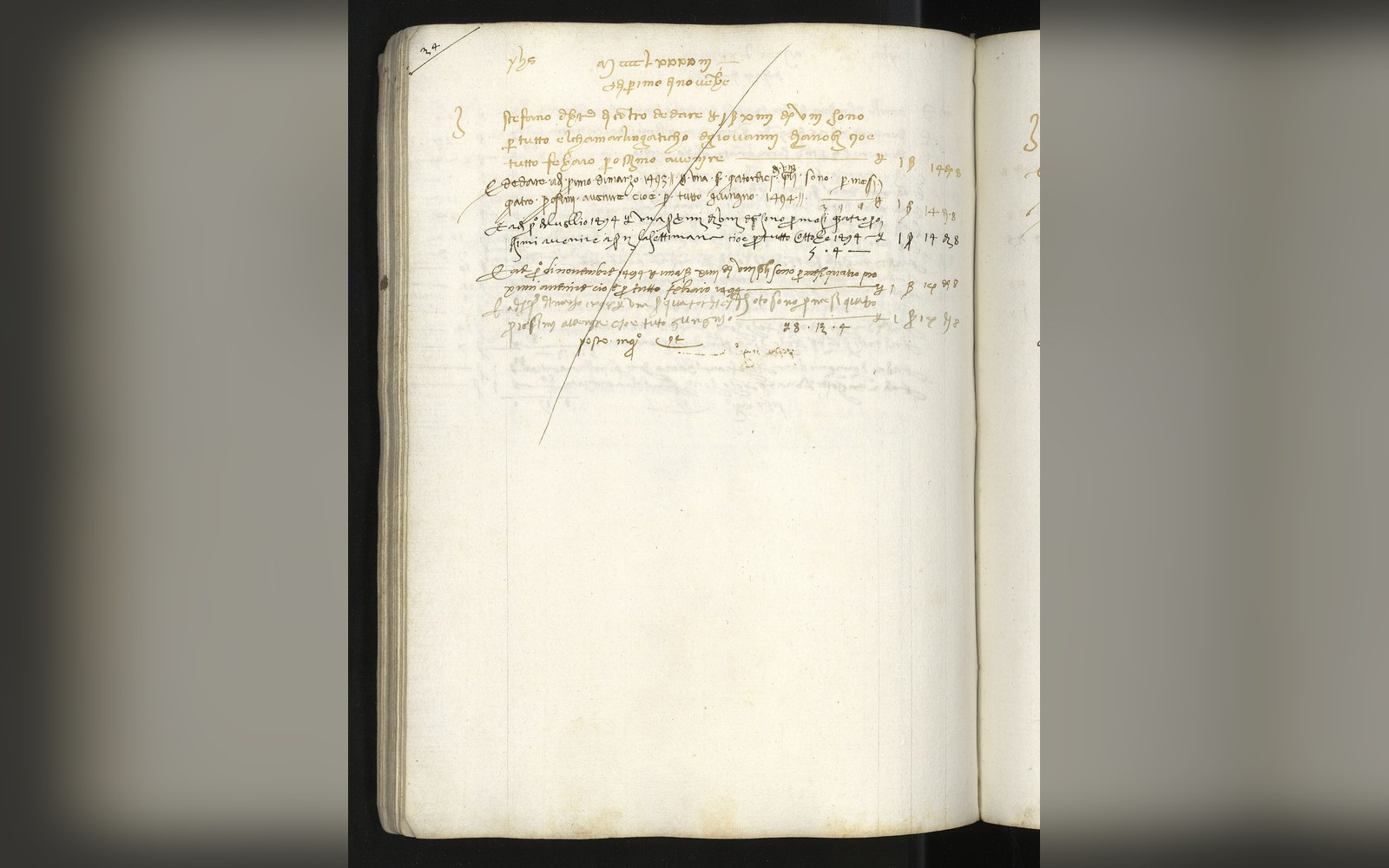
A handwritten admissions ledger open on a table with a pen
Names, parishes, entry and departure — one hand for years at a stretch.Wikimedia Commons
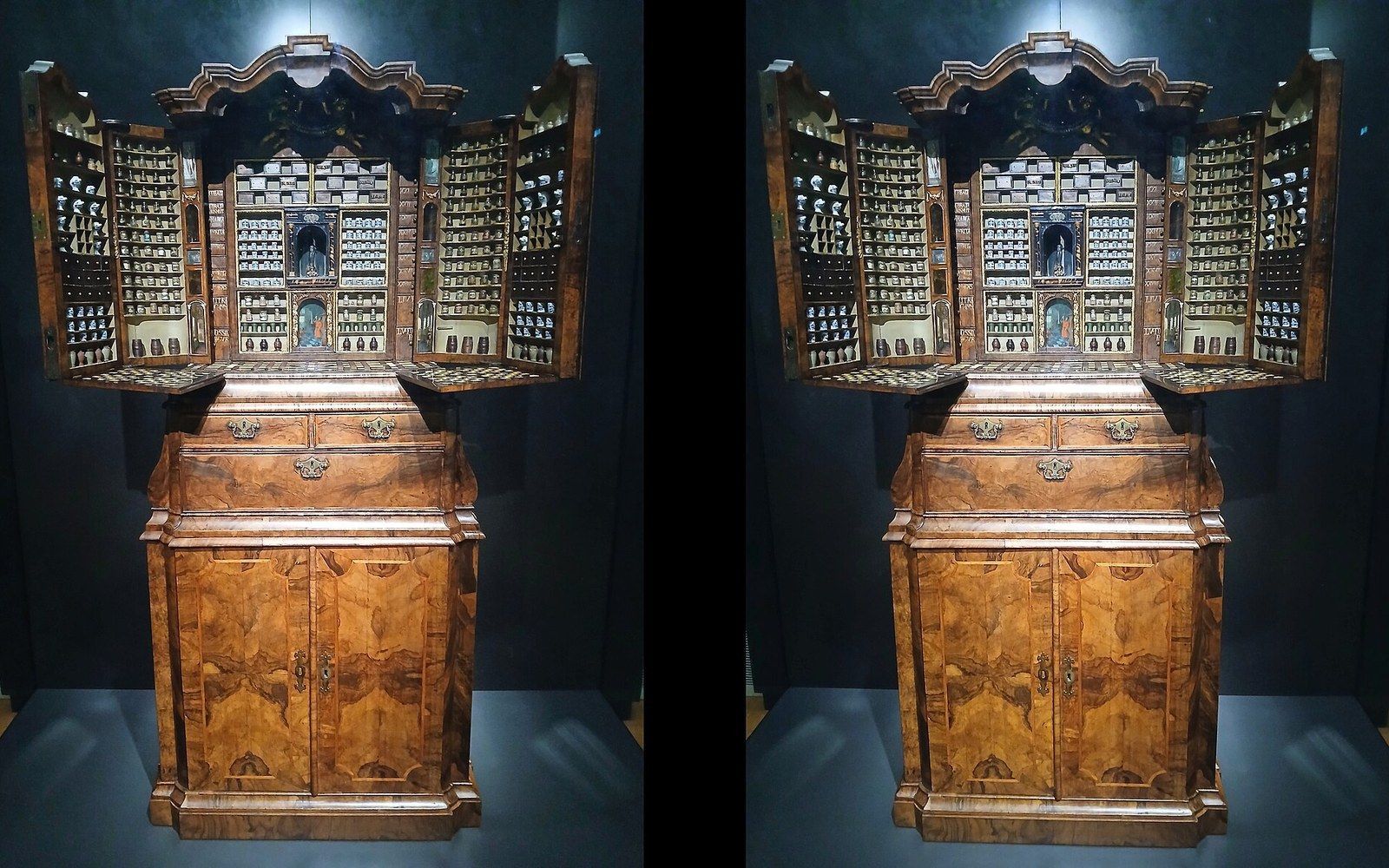
An apothecary cabinet of labelled drawers and glass jars
The cabinet was kept by one sister and counted against the register.Wikimedia Commons
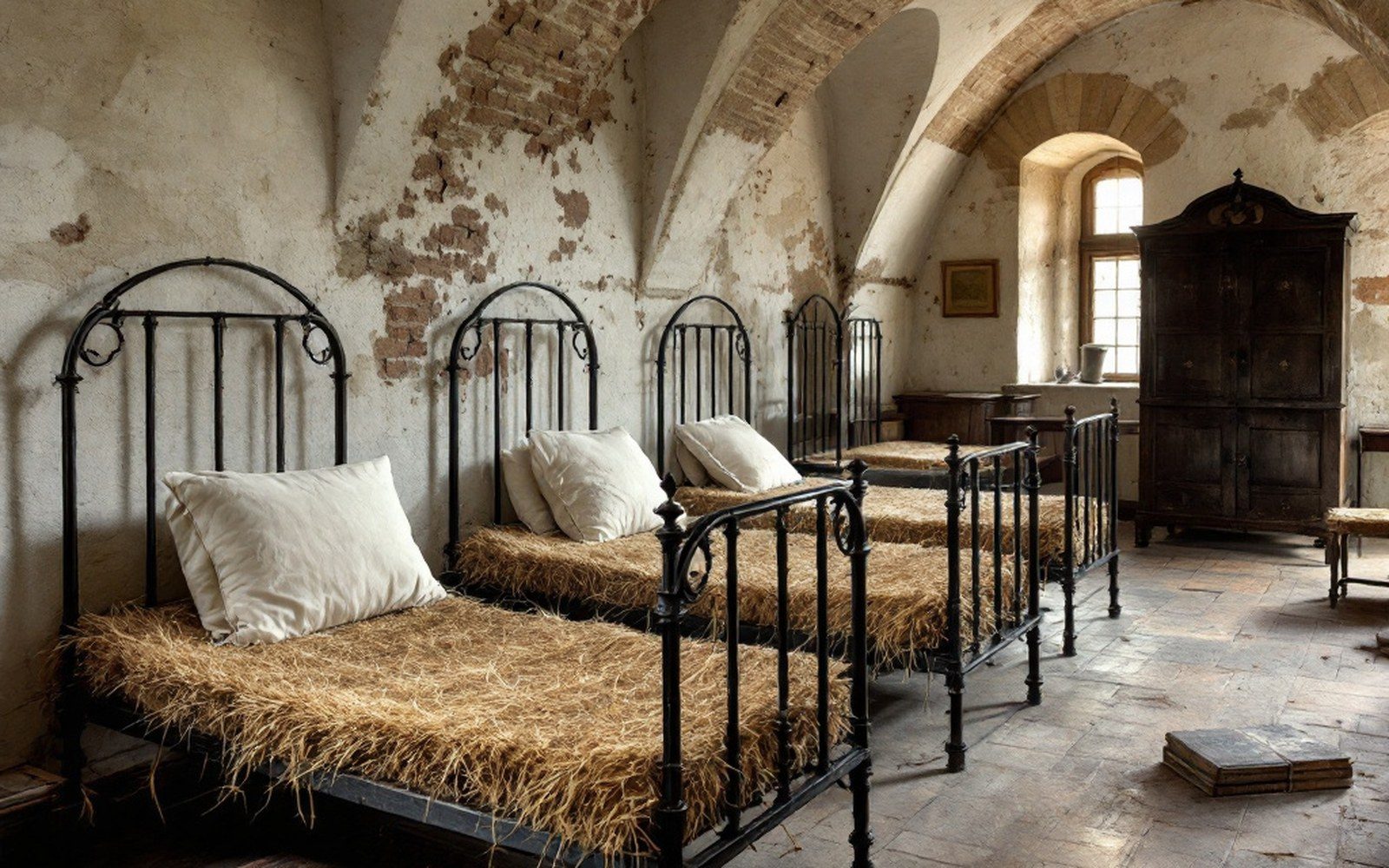
Iron bedsteads with straw mattresses in a museum reconstruction
One patient to one bed was a reform with a date, not an obvious arrangement.
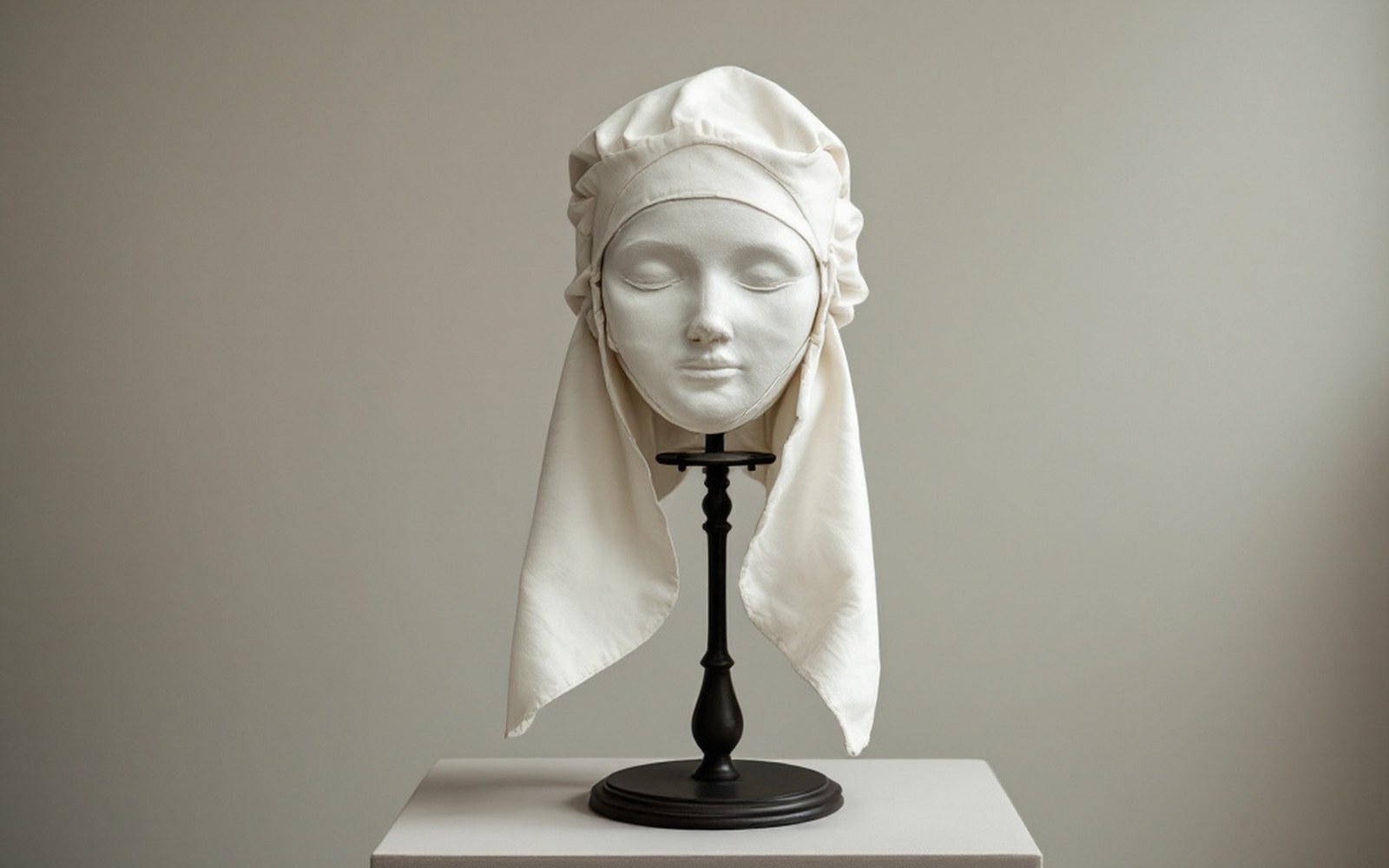
A starched linen headdress on a museum stand against a plain ground
Two rectangles of starched linen, folded to a fixed geometry and re-set after every wash.

The headdress, and why it went

Worn from the seventeenth century until 1964, then given up as impractical. It is the only part of them most people can picture.
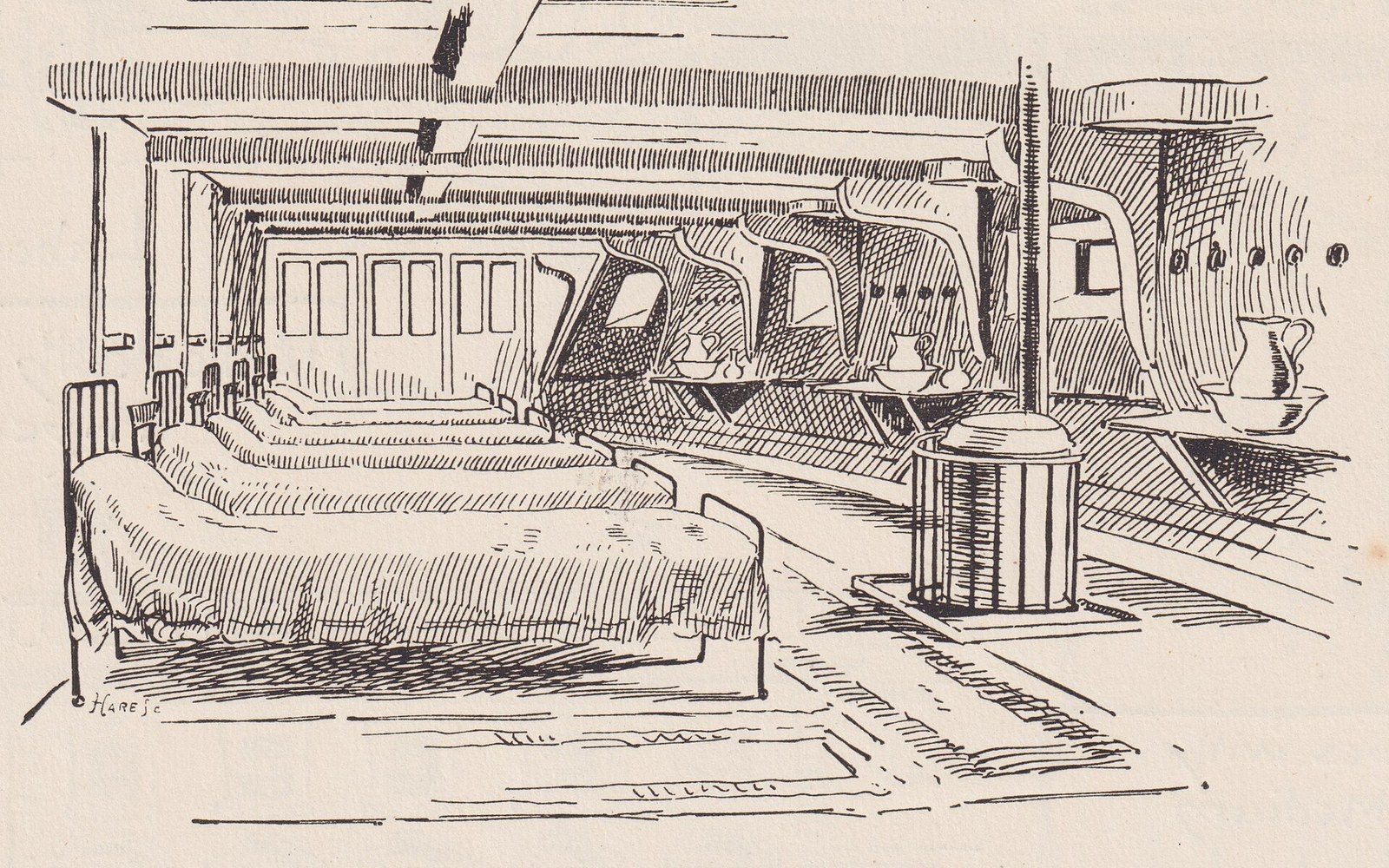
Line drawing of a hospital ward with rows of beds, washbasins and a central stove
By the 1890s the two systems were working the same kind of room.Photo: Wikimedia Commons

Where the two professions met

The nineteenth century, and what was borrowed. Training, transfer and record-keeping were already in place when the reformers arrived.

Fourteen pieces, four sections, and one procedural decision underneath all of them.

Everything on the site, in one list

Congregations that share our archive.

Presses, archives and studios standing behind the work